505 9th Street NW, 10th Floor, Washington, DC 20004
© 2026 PCMA. All Rights Reserved.


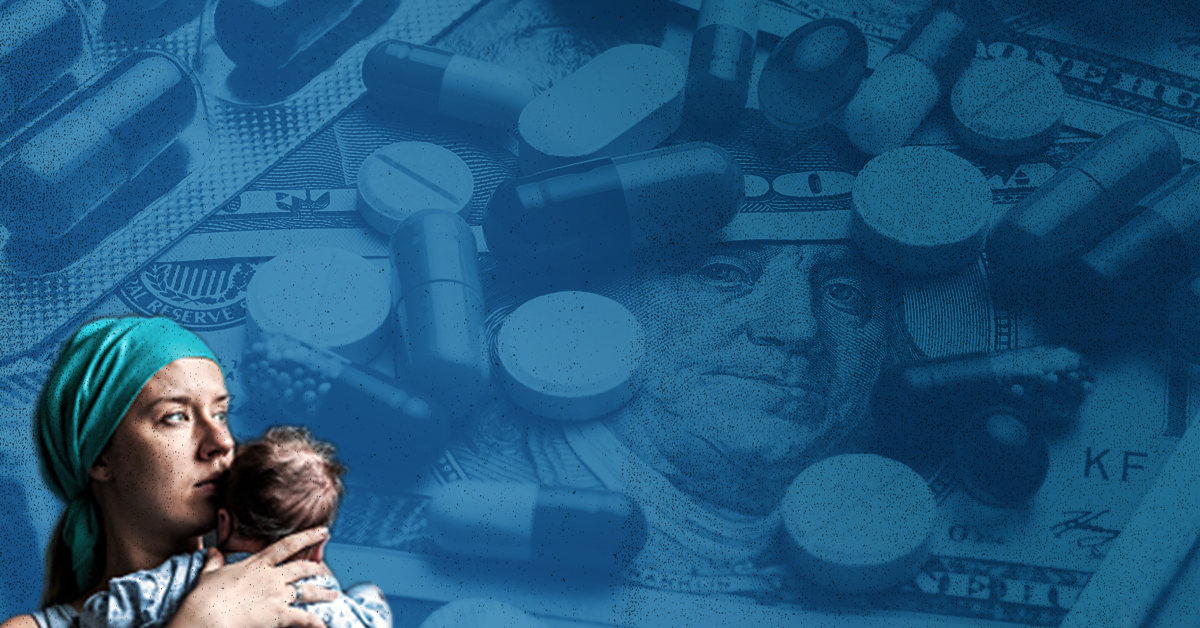
Big Pharma’s anti-competitive practices, like patent abuse, cost U.S. consumers an additional $40.07 billion on drug spending in just one year.
Americans are paying the highest prices in the world when it comes to prescriptions.
Big Pharma’s direct-to-consumer (DTC) advertising encourages Americans to take expensive blockbuster drugs they may not even need.
saved annually through rebates, benefiting patients, taxpayers, and the health care industry
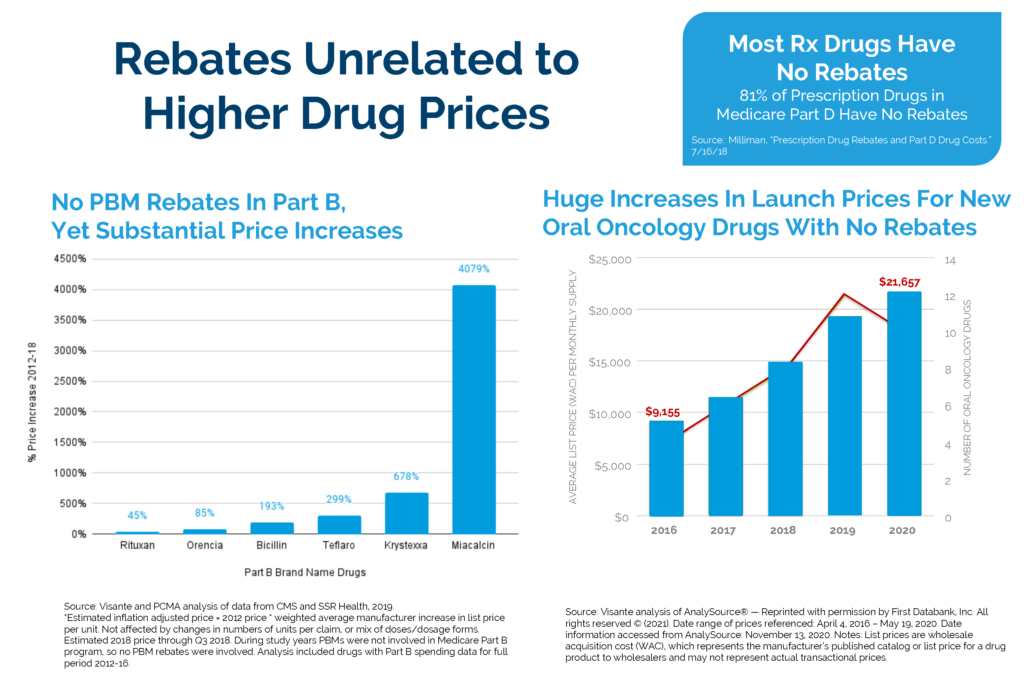
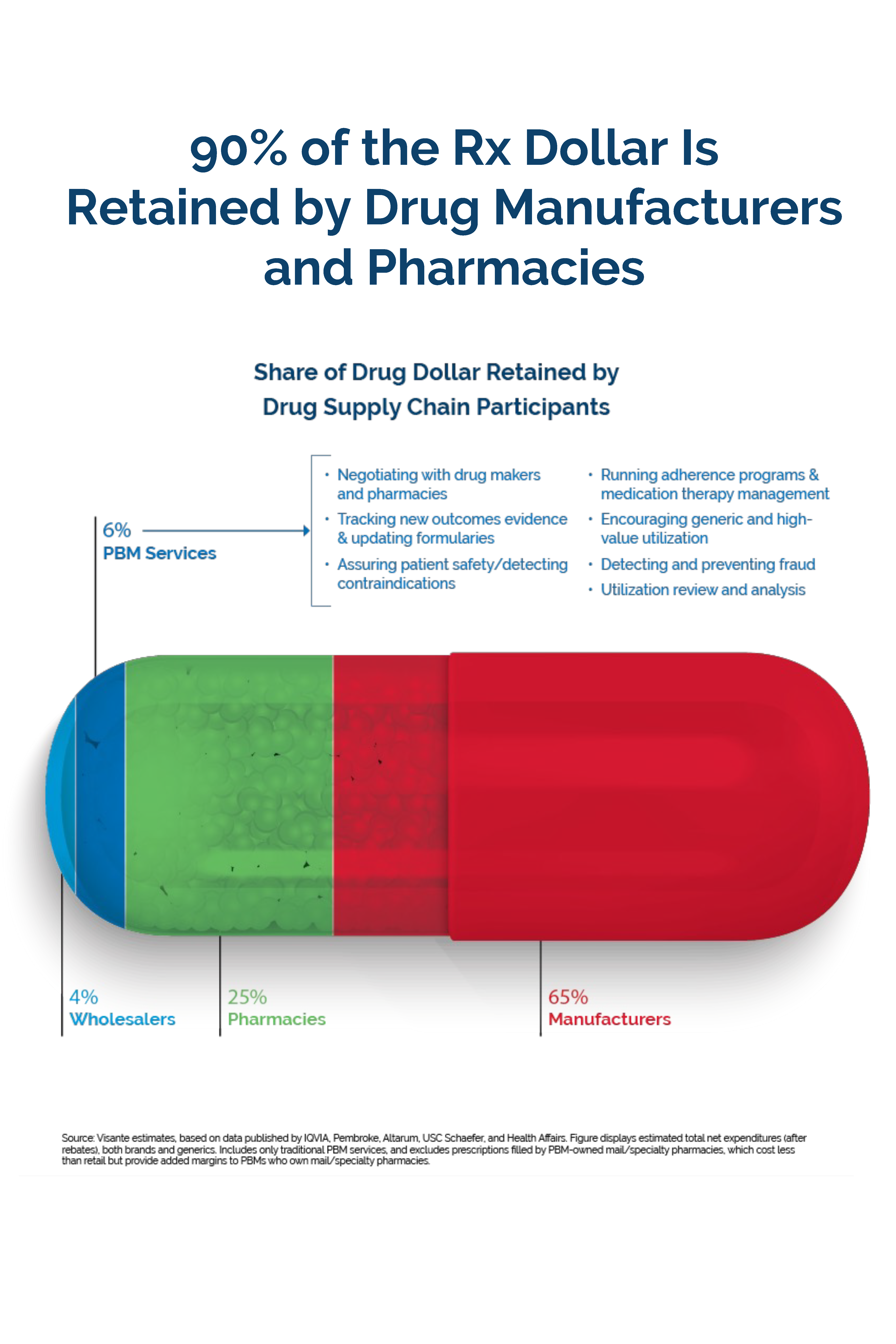
We push big drug companies for price concessions through rebates. We pass nearly all rebates negotiated from drug manufacturers directly to the health plans and employers who hire us – helping to save patients, taxpayers, and the health care system billions.
We help specialty and retail pharmacies enhance patient safety – enabling better health outcomes – by preventing potentially harmful drug interactions and reducing medication errors. In addition, we offer services that benefit patients, including home delivery and clinical programs to promote health literacy.
We support access to high-quality coverage. Employers are not obligated to hire pharmacy benefit companies, but the vast majority do so because of the savings we secure. We provide employers, including small businesses, a variety of coverage choices and flexibility that help them offer affordable, quality coverage to employees.